Written by
Best Clean Kansas City
Published on
September 2, 2026

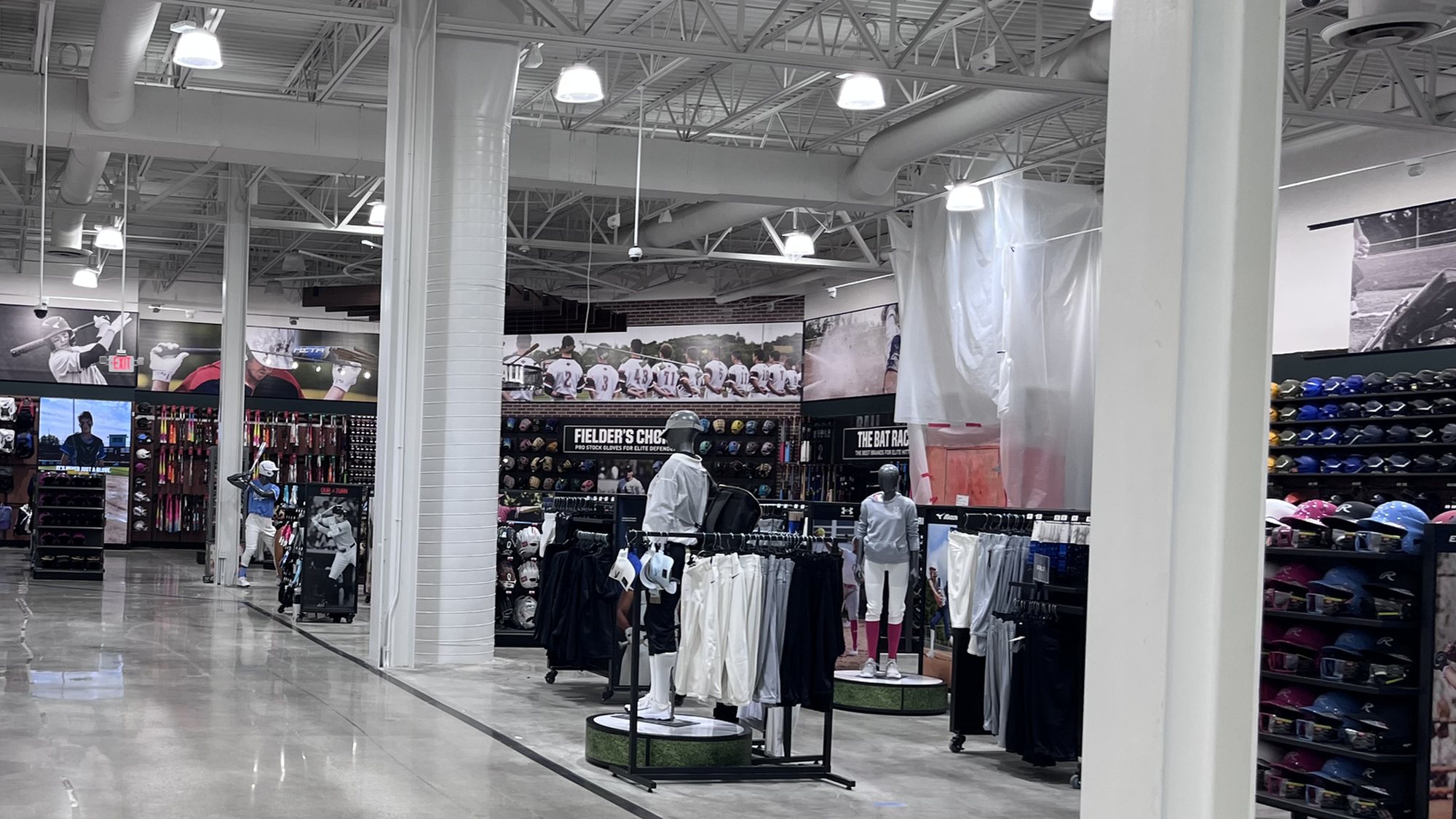
Ask three cleaning companies what post-construction cleaning costs and you will get three answers, two of which are "it depends." That is not useful when you are building a bid and need a number for the cleaning line.
So here are real ranges for the Kansas City metro, the logic behind them, and the specific things that move a number up or down. If a bid you receive falls far outside these, that is worth a phone call before you accept it.
Commercial post-construction cleaning in Kansas City and Johnson County generally prices per square foot, per phase. As of 2026, here is what holds up on most jobs:
Multifamily units are usually priced per unit rather than per square foot, typically $175 to $400 per unit for a full construction clean, with common areas, corridors, stairwells, and amenity spaces bid separately by square foot.
Small jobs carry a minimum. Below roughly 2,000 square feet the per-foot math stops working, and most contractors including us will quote a day-rate minimum instead, generally $650 to $1,200 for a crew and a truck.
Restaurants land at the high end of every range. Exposed ceilings, hood and kitchen equipment surrounds, quarry tile, grease-prone surfaces, and a lot of stainless mean a restaurant post-construction clean commonly runs 30 to 50 percent above a comparable retail box of the same footprint.
This is the single most expensive misunderstanding in the cleaning line of a commercial bid.
A contractor quoting $0.22 per square foot is almost certainly quoting one pass. A contractor quoting $0.68 per square foot is quoting three. The $0.22 number looks like a win until your superintendent realizes there is no rough clean, so the flooring crew is installing over drywall dust, and there is no fluff clean, so the owner walk happens on a space that punch crews have been tracking through for four days.
Before you compare two numbers, confirm three things in writing:
Those three items account for most of the spread between a cheap bid and a real one. Our breakdown of rough clean vs. final clean terminology is worth sending to anyone writing your scope language.
Glass is the most underestimated line in every post-construction bid. A retail storefront with 60 linear feet of glazing, inside and out, plus interior vestibule glass, is a meaningful labor block on its own. Anything above roughly 10 feet needs a lift or a water-fed pole system, which adds equipment cost and slows production. On a two-story atrium, high glass alone can be 15 percent of the total.
Broom-and-mop is one price. Auto-scrubbing a 20,000-square-foot sales floor with a ride-on machine is another. Stripping, sealing, and applying finish coats to VCT before merchandising is another still, and it is a separate line, not something folded into a final clean. Polished concrete and LVT often carry manufacturer initial-clean specs that dictate chemistry and method. Get the flooring submittal to your cleaning contractor at bid time.
Every floor above grade adds material handling time. Crews carry equipment, water, and waste up and down. If the elevator is not commissioned or is not available to the cleaning crew, expect a real premium, and say so in the bid documents rather than discovering it on day one.
A clean-as-you-go jobsite costs less to finish. If your subs left the space full of scrap, packaging, and pallets, someone has to move it, and that someone is being billed by the hour. Clarify whether debris goes into your dumpster or has to be hauled off site. Off-site haul-off with disposal fees can add $400 to $1,500 depending on volume and material.
Overnight, weekend, and holiday work carries a premium, typically 15 to 30 percent. A space that must be spotless by 7 a.m. for a fixture crew is a different bid than a space with a relaxed three-day window. Badge requirements, escort requirements, and secure-site check-in all add coordination hours.
Obvious, but worth stating: three phases costs more than one because it is three mobilizations, three crews, and three sets of consumables. It also protects your turnover date, which is usually worth more than the delta.
These are the site conditions that a bid assumes. If any of them are not true, say so, because the contractor will find out anyway and it will become a change order.
A contractor who underbids does one of three things: sends fewer people than the job needs and misses the date, cuts the scope quietly and lets the owner walk find it, or comes back with change orders once they are mobilized and you have no time to rebid. All three cost more than the difference between the bids.
The signal to watch for is whether they walked the job. A cleaning contractor who quotes a commercial buildout off a square-footage number and a phone call has not priced your project. They have priced an average. Our article on what to ask a post-construction cleaning contractor before you hire them covers the rest of the vetting checklist.
Best Clean KC prices post-construction work off a walkthrough, drawings, and your schedule, and we give you a written phase-by-phase scope so you know exactly what is in and what is out. We are a second-generation family company based in Overland Park with W-2 crews, full insurance, and the ability to add you as additional insured on our COI. We have run three-phase cleans on national chain retail, a national chain restaurant, a self-storage final clean, and a 216-unit multifamily development across two buildings.
If you are building a bid right now and need a defensible number for the cleaning line, we will give you one. Learn more about our post-construction cleaning services, or call 913-318-4664 and we will get on your site this week. For the full scheduling picture, read our general contractor's guide to post-construction cleaning in Kansas City.