Written by
Best Clean Kansas City
Published on
September 2, 2026


A superintendent calls and says he needs a final clean Thursday. The crew shows up Thursday, and the space still has flooring going in, casework half-set, and painters cutting in. What he meant was a rough clean. What he asked for was a final. Somebody is about to eat a day of labor.
The vocabulary around construction cleaning is genuinely inconsistent across the industry, and the same word means different things to different GCs in the same Kansas City market. This article defines each term the way a cleaning crew understands it, tells you what actually happens during each pass, and gives you the trigger point on your schedule that says it is time.
When: After MEP rough-in is inspected and drywall is hung, taped, and finished. Before finish flooring, casework, and final paint.
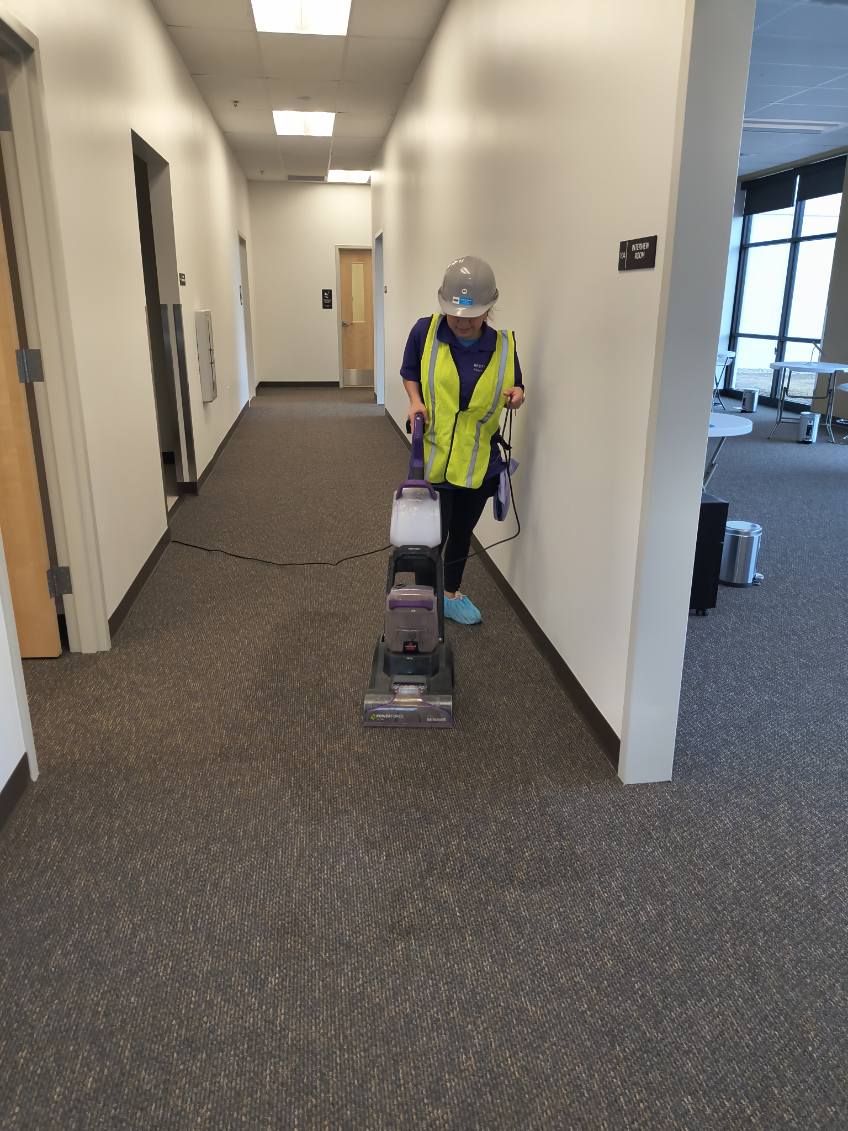
What the crew does: This is a production pass, not a detail pass. Crews pull gross debris, sweep and HEPA-vacuum slabs, knock down drywall dust from ledges and exposed structure, scrape mud and texture off the slab, and clear stairwells and corridors. Restrooms get a rough wipe so plumbing trim-out is not happening in filth.
What it is not: Nobody is polishing anything. Nobody is doing glass. If you look at the space after a rough clean and think it looks unfinished, that is correct. It looks workable.
Trigger point: The week your flooring contractor mobilizes. Any earlier and dust resettles and you pay twice.
When: Immediately before your punch walk.
What the crew does: A light detail pass so the architect and owner are walking a space where the defects are actually visible. Dust off horizontal surfaces, vacuum, quick glass pass on interior lites, wipe hardware and switch plates.
Why it exists: Punch walks on a dirty space generate punch items that are not defects. A smudge gets written up as a scratch. A dust line gets written up as a paint holiday. You then pay a sub to mobilize and investigate nothing. On larger commercial jobs a pre-punch clean pays for itself in punch-list length alone.
Note: On smaller projects this often gets folded into the rough clean or skipped. On a 40,000-square-foot buildout with an owner's rep walking it, do not skip it.
When: During and immediately after punch-list correction work.
What the crew does: This is cleanup behind the trades fixing punch items. Touch-up painters leave drips. Trim carpenters leave sawdust. A door hardware swap leaves shavings and packaging. The punch-out clean chases those crews so the space does not degrade while the list is being closed.
How it is billed: Usually hourly or day-rate rather than per square foot, because the volume depends entirely on how long your punch list runs and how messy the corrections are. Ask for it as a T&M line rather than trying to fix it in a lump sum.
When: After punch corrections are substantially complete and all finishes are in.
What the crew does: This is the heavy one, and it is where the equipment comes out. Machine scrubbing of hard floors, plus finish or burnish where the flooring spec requires it. Interior glass including storefront interior, sidelights, and mirrors. Full casework detail inside and out, drawers and shelving included. Door frames, hardware, hinges, switch plates, outlet covers. Restrooms detailed to a usable standard. Vent grilles, diffusers, light lenses, tops of everything above eye level. Label and adhesive removal from glazing, fixtures, and appliances.
The equipment question: If a bid says "final clean" but does not name a floor machine, it is a mop-and-bucket bid. On a commercial floor with construction residue, a mop redistributes the film. It does not remove it. This is the single biggest quality difference between bids and the reason two "final clean" numbers can differ by 2x. We go through that pricing logic in what post-construction cleaning actually costs in Kansas City.
Here is the problem: "final clean" is used two different ways, and both are defensible.
Some GCs use it to mean the pre-turnover detail pass described above. Others use it to mean the last pass before the owner takes the keys. If your scope document says "final clean" without further definition, you have an ambiguity that will surface as a dispute.
Fix it in the scope. Write the phase count and the trigger, not the label. "Phase 2: detail clean including machine-scrub of all hard floors and interior glass, to occur after substantial punch completion" leaves nothing to argue about. "Final clean" leaves everything to argue about.
When: 24 to 48 hours before handoff, opening, or the owner walk. After the last punch item closes and after owner-furnished equipment and fixtures are set.
What the crew does: Exterior storefront glass and entry glazing, plus high glass requiring a lift. Metals: door hardware, push bars, handrails, kick plates, elevator surrounds, stainless. Re-detail of anything the punch crew touched. Floors re-dusted and damp-mopped. Fingerprints and smudges. Mats set, trash pulled, space staged.
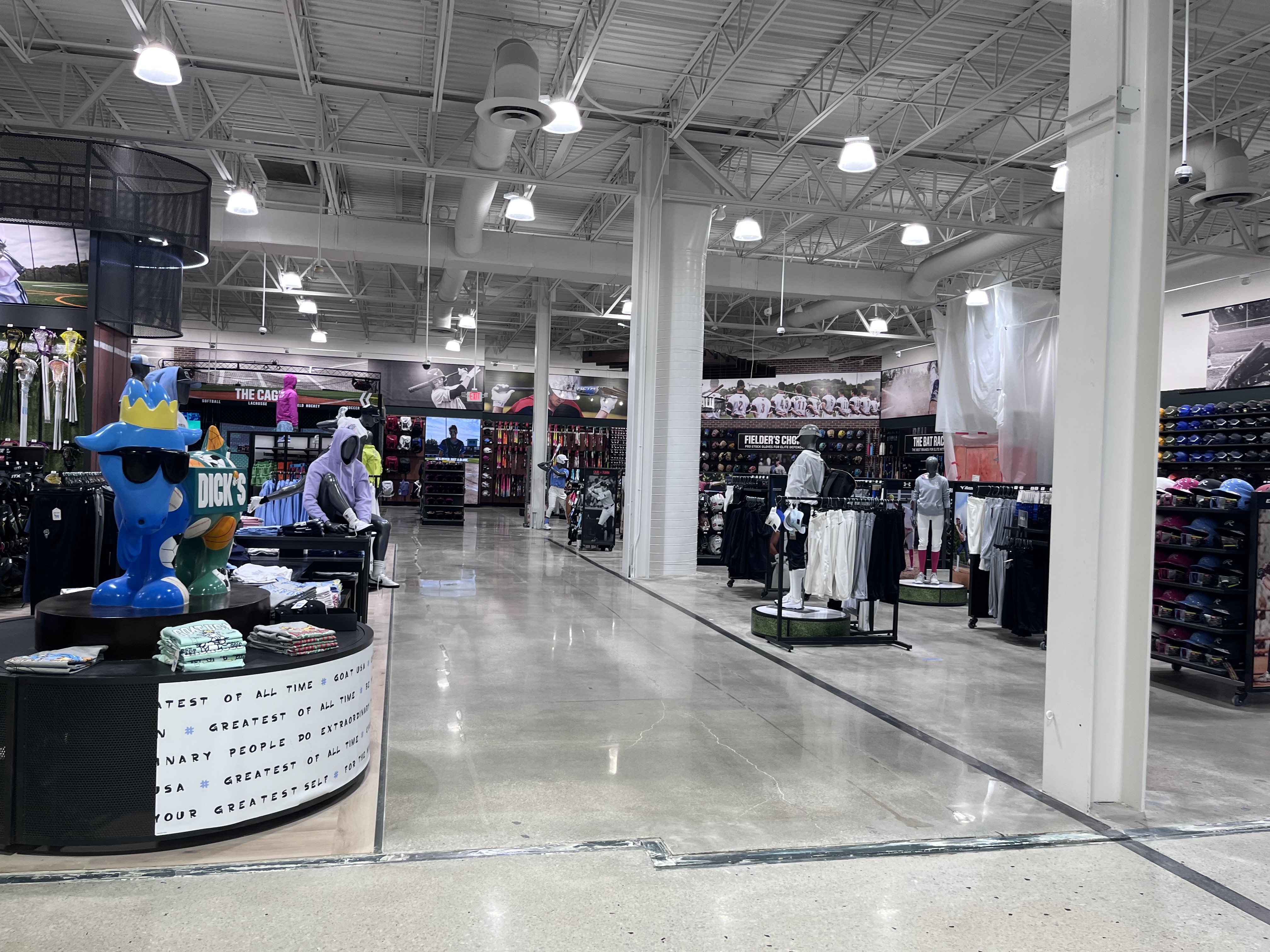
Why it matters: It is the cheapest phase and it is the only one your client experiences. On a national chain retail store we cleaned in three phases, the fluff clean was a half day. It was also the entire basis of what the district manager saw on opening morning.
Worth separating out because the words are close. A construction clean removes construction residue: drywall dust, adhesive, overspray, mud, stickers. A turnover clean or make-ready removes occupancy residue: an apartment unit between tenants, a suite between leases.
They are different chemistry, different labor, and different price. On a multifamily project you will need both at different times, and the difference matters most on a building delivering in phases where early units may sit for weeks before lease-up. We cover that in post-construction cleaning for multifamily and apartment turnovers.
Best Clean KC has run this sequence on national chain retail, a national chain restaurant, a self-storage facility, and a 216-unit multifamily development across two buildings totaling roughly 300,000 square feet. We are a second-generation family company out of Overland Park with W-2 crews, not day labor, which means the same people who did your rough clean are the ones who show up for the fluff.
Send us your schedule and we will tell you which phases your project actually needs and which ones you can skip. See our post-construction cleaning services, read the full general contractor's guide, or call 913-318-4664 to set a walkthrough anywhere in the Kansas City metro.