Written by
Best Clean Kansas City
Published on
September 2, 2026

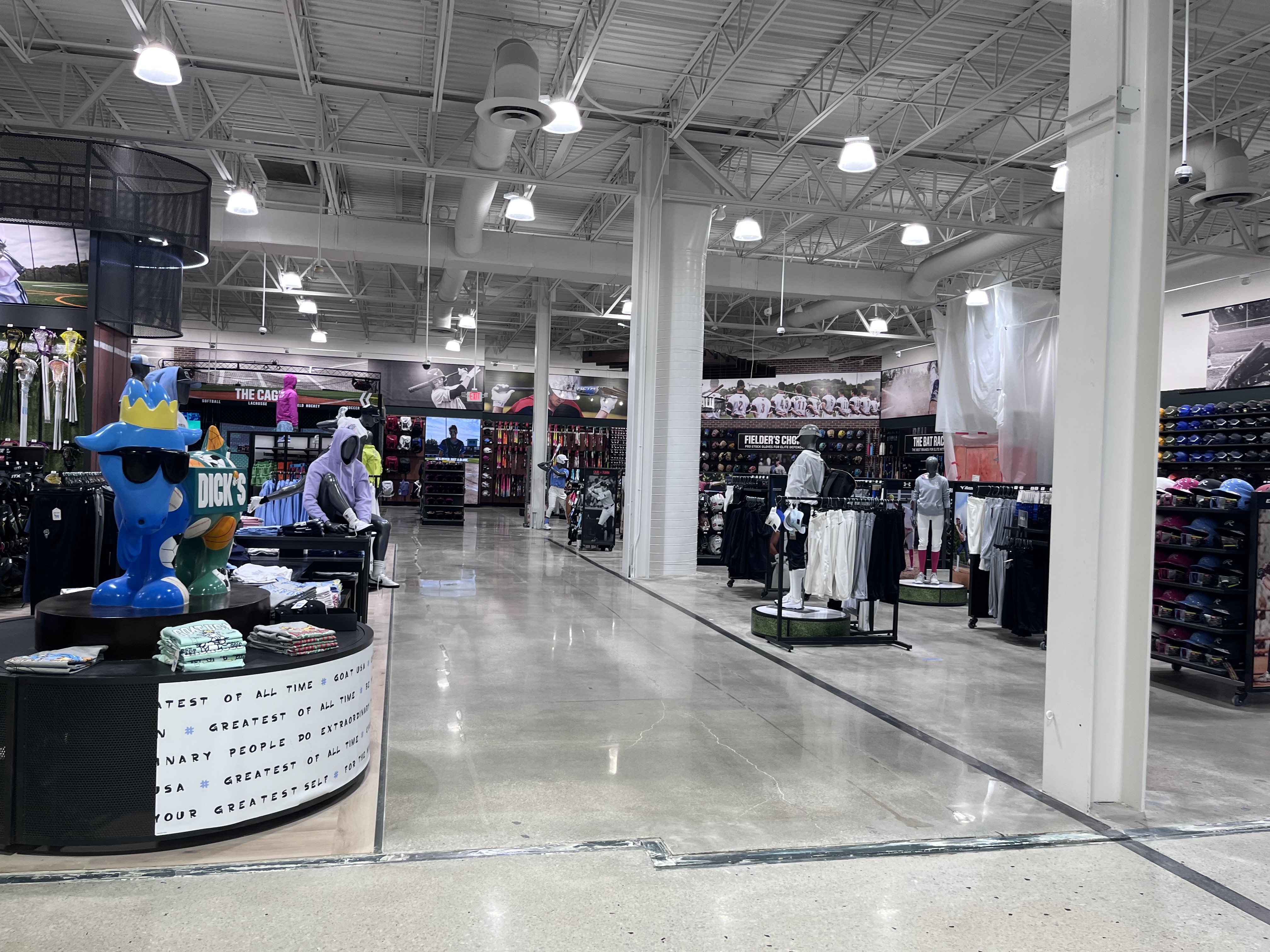
A retail buildout has one date that does not move. Corporate has already booked the grand opening, the marketing is scheduled, the district manager has a flight, and the fixture crew is coming whether or not you are ready for them. Every other trade on the job can absorb a two-day slip. The cleaning scope cannot, because it sits at the end of the chain and in the middle of it at the same time.
We have run three-phase post-construction cleaning on a national retail chain store in the Kansas City metro, from rough clean through pre-turnover to the final fluff before doors opened. Here is what is actually different about retail, and how to sequence cleaning so it protects the opening date instead of threatening it.
Nothing signals "not ready" like a storefront with adhesive haze, protective-film residue, and installer fingerprints on it. Retail glazing is also the most labor-intensive glass on any commercial job type, because you are cleaning both sides of a large, uninterrupted, brightly lit surface that people look directly at from the parking lot.
Budget for these specifics:
This is the sequencing problem unique to retail. Fixture crews are usually a separate contract, often national, and they arrive on a date set by the brand rather than by your schedule. They bring pallets, packaging, banding, cardboard, and shrink wrap, and they leave all of it.
The wrong approach is to do a single final clean and hope the fixture crew is done first. They will not be, and when they are done, you are cleaning again.
What works:
If the store has VCT, polished concrete, or sealed concrete, the finish work has a hard deadline that is earlier than you think: it must be complete before merchandising, because you cannot strip, seal, or burnish a floor with product on it.
Practical notes for Kansas City retail projects:
Stockrooms, receiving areas, and back-of-house corridors are where retail cleaning scopes quietly go thin, and they are the first spaces the store team actually uses. Make sure the scope names them.
On a project where the date can flex, you can run a smaller crew over more days. On retail, you cannot. That means crew size, not crew hours, is the variable, and it needs to be settled at bid time.
A 12,000-square-foot store with a five-day window between fixture completion and opening needs enough people to complete the pre-turnover clean, absorb the punch-out work, and still have a half-day fluff pass on the calendar. If your cleaning contractor is a two-person operation subbing out overflow, that math does not work, and you will find out on day three.
This is one of several reasons we ask GCs to check whether a cleaning contractor runs W-2 employees or day labor. Consistent, background-checked crews matter on a retail site where the brand's loss-prevention team has opinions about who is in the building. Our article on what to ask a post-construction cleaning contractor covers the full vetting list, including COI and additional insured status.
If you want the phase model explained in more depth across project types, start with our general contractor's guide to post-construction cleaning in Kansas City, and use rough clean vs. final clean to nail down the language in your scope documents.
Best Clean KC is a second-generation family cleaning company headquartered in Overland Park, serving general contractors across Johnson County and the Kansas City metro. We staff with W-2 employees, carry full insurance, and can add your firm as additional insured on our COI before we mobilize. We bring our own floor machines and equipment, and we have delivered a three-phase clean on a national chain retail store and a national chain restaurant, on their dates.
Send us the store plan and the opening date. We will walk the space and build a phase-by-phase scope against your fixture and merchandising schedule. See our post-construction cleaning services, or call 913-318-4664 to get on the calendar.